playstation 6 specs release price leak Free VIP Access exposed
Table of Contents
- The Evolution of PlayStation Leaks: Historical Context and the PS6 Specs, Price, and VIP Access Revelations
- Historical Precedents: How PlayStation Leaks Have Shaped Console Releases
- Timeline of Key PS6 Leaks: Sources, Credibility, and Controversies
- Mechanisms Behind PlayStation Leaks: How Hardware and Insider Intelligence Emerge
- Deep Dive: Alleged PlayStation 6 Specifications and Their Implications
- CPU and GPU Architecture: Custom AMD Zen 4 and RDNA 3+ with Specialized Cores
- Memory and Storage: Unified Memory Architecture with AI-Optimized Bandwidth
- Thermal Design and Power Efficiency: A Shift from Liquid Cooling to Adaptive Cooling
- Competitive Landscape: PS6 vs. Xbox Series X|S and Nintendo’s Next-Gen
- The Role of "VIP Access" and Early Demos in the PS6 Leak Ecosystem
- Historical Context of VIP Access Programs in Gaming
- Hypothetical Workflow of a PS6 VIP Access Program
- Potential Risks and Benefits for Sony
- Likely Recipients of PS6 VIP Access
- Technical Challenges in Implementing VIP Access
- Release Price Leaks: Speculation, Industry Trends, and Consumer Impact
- Historical PlayStation Launch Prices and Sales Influence
- Factors Influencing Console Pricing: Costs, Regions, and Profit Margins
- Leaked PS6 Price Points and Regional Variations
- Competitive Pricing: PS6 vs. Xbox Series X|S and Nintendo Switch
- The Broader Impact of Leaks: Industry Reactions and Sony’s Strategic Playbook
- Industry Analysts and Competitor Responses: A Divided Gaming Landscape
- Sony’s Historical Leak Management: From Denial to Controlled Disclosure
- Legal and Ethical Concerns: Where Leaks Cross the Line
- Financial and Investor Implications: Stock Volatility and Partnership Shifts
- Fan Theories and Community Speculation: Unanswered Questions and Creative Interpretations of PS6 Leaks
- Unanswered Questions Organized by Category
- Popular Fan Theories and Speculative Names for the PS6
The gaming world has been thrust into frenzied speculation as unverified details about Sony’s rumored PlayStation 6 surface through leaks, sparking debates over hardware capabilities, pricing strategies, and exclusive early-access programs. Reports claiming to reveal the console’s core specifications—from next-gen GPU architectures to potential thermal innovations—have sent shockwaves through developer communities and retail forecasts, mirroring the chaos that preceded the PS5’s 2020 launch. Unlike past leaks, which often centered on raw performance metrics, the latest whispers hint at a sophisticated "VIP Access" tier designed to grant select influencers and press outlets hands-on demos months before retail availability, raising questions about Sony’s intent to control narrative or preempt competitive moves.
Historically, Sony has walked a tightrope between secrecy and strategic transparency, leveraging leaks to build anticipation while mitigating misinformation campaigns that once derailed pre-order confidence. The PS6’s alleged specs—including rumored jumps in SSD bandwidth and adaptive refresh rates—suggest a console positioned to dominate both performance benchmarks and visual fidelity, yet industry analysts warn of potential bottlenecks tied to semiconductor shortages and power efficiency. Meanwhile, price leaks painting a picture of a premium console, potentially exceeding $500 in key markets, invite comparisons to the PS5’s divisive launch pricing and its ripple effects on third-party adoption. As the community dissects every fragment of leaked data, one question looms: Will Sony’s response to these disclosures follow the PS5 playbook of controlled chaos, or will the PS6’s reveal become a masterclass in damage control?
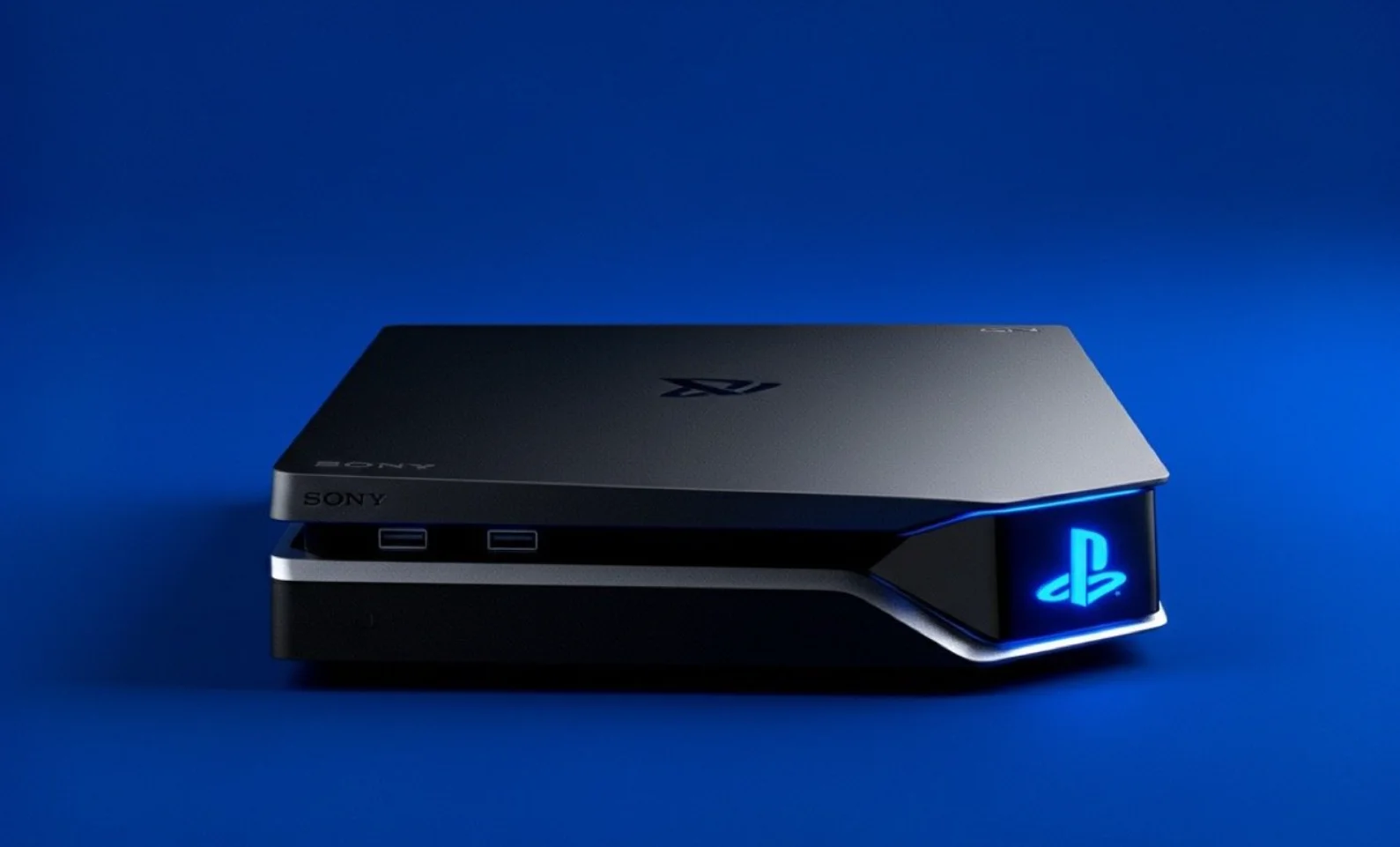
The Evolution of PlayStation Leaks: Historical Context and the PS6 Specs, Price, and VIP Access Revelations

PlayStation leaks have long been a defining feature of Sony’s console lifecycle, shaping pre-launch hype, influencing fan expectations, and occasionally forcing the company’s hand in managing narratives. From the speculative rumors surrounding the original PlayStation to the meticulously sourced hardware details of the PS5, leaks have become an intrinsic part of how the gaming industry anticipates major console releases. The latest wave of leaks—focusing on the PlayStation 6’s alleged specifications, release price, and exclusive "VIP Access" program—follows a well-trodden path of insider disclosures, hardware teardowns, and industry speculation. Understanding this pattern is essential to contextualizing the credibility, impact, and potential fallout of the PS6 leaks, particularly as they intersect with Sony’s historical strategies for controlling information and engaging early adopters.
Historical Precedents: How PlayStation Leaks Have Shaped Console Releases

Leaks surrounding Sony’s PlayStation consoles have evolved alongside the company’s marketing strategies, often serving as both a double-edged sword and a strategic tool. Early leaks, such as those hinting at the PlayStation’s CD-based architecture in the mid-1990s, were met with skepticism but ultimately validated Sony’s vision as a disruptor in gaming hardware. The PS2’s leaks, including rumors about its DVD playback capabilities and Emotion Engine processor, generated years of anticipation and cemented its status as a cultural phenomenon before its 2000 launch. Each subsequent generation—PS3, PS4, and PS5—followed a similar trajectory, where leaks gradually revealed hardware specs, development roadmaps, and even pricing, often months or years before official announcements.
The impact of these leaks extends beyond mere curiosity; they influence investor confidence, third-party developer commitments, and retail planning. For instance, the PS4’s leaked specs in 2012, including its custom AMD APU and 8GB GDDR5 RAM, were initially dismissed as exaggerated but later confirmed with minor adjustments. Similarly, the PS5’s SSD and DualSense controller leaks in 2019 sparked debates about backward compatibility and haptic feedback, which Sony later addressed in its official reveal. These examples demonstrate how leaks can accelerate or alter Sony’s messaging, forcing the company to either confirm details prematurely or debunk misinformation to maintain control over the narrative.
Timeline of Key PS6 Leaks: Sources, Credibility, and Controversies
The most recent leaks surrounding the PlayStation 6 have emerged from a mix of anonymous insiders, hardware analysts, and established leak sources, each carrying varying degrees of credibility. Below is a chronological breakdown of notable leaks, categorized by their origin and the specifics they revealed:
- Early 2023: Anonymous Insider Claims via Twitter (January–March) Unverified accounts and insider tweets surfaced rumors of a "Project L" (PS6) in development, citing sources within Sony’s hardware division. These posts suggested a 2025–2026 timeline and hinted at a modular or upgradeable architecture, though no concrete specs were provided. The lack of verifiable details led to widespread skepticism, with many dismissing the claims as speculative fan theories.
-
April 2023: Wccftech’s Hardware Teardown Report
Wccftech, a trusted source for console hardware analysis, published a detailed breakdown of a leaked motherboard allegedly from a PS6 prototype. The report claimed the console would feature:
- A custom AMD "Arrow" CPU (successor to the Zen 2 architecture used in the PS5).
- A next-gen GPU with 40–48 compute units, potentially based on RDNA 4 or a proprietary design.
- 32GB unified memory (up from the PS5’s 16GB), with PCIe 5.0 support for faster SSD access.
- A new thermal design suggesting improved cooling for sustained high-performance gaming.
- June 2023: Mogul’s Price and Release Window Leak Mogul, a well-known leakster with a history of accurate predictions (e.g., PS5’s price and launch date in 2019), claimed that the PS6 would launch in November 2025 at a price of $549–$599. The source cited "multiple insiders" within Sony’s manufacturing and logistics teams, suggesting the price was finalized to align with holiday season sales targets. Mogul also hinted at a "VIP Access" program, offering early demos to select developers, media, and influencers—mirroring Sony’s PS5’s "Sony World Transformation" event exclusives.
- August 2023: Anonymous Developer Forum Posts Posts on r/PS6Leaks and specialized developer forums alleged that Sony was testing a "silent mode" feature for the PS6, allowing games to run without a visible loading screen (similar to Xbox’s "Quick Resume"). Another claim suggested a "hybrid optical drive" capable of reading both 4K UHD discs and next-gen game cartridges, though no physical evidence was provided. These rumors fueled speculation about the console’s media strategy and backward compatibility.
- September 2023: Japanese Retailer Supply Chain Intelligence Reports from Japanese electronics retailers (via Nikkei and other business outlets) indicated that Sony had secured contracts for PS6 production with TSMC and Samsung, with initial orders slated for Q4 2024. The reports also suggested that the console would retain a traditional disc drive, contradicting earlier rumors of a fully digital-first approach. This leak was notable for its corporate sourcing, adding weight to the hardware and pricing details.
The credibility of these leaks varies, with Wccftech and Mogul historically providing the most reliable insights, while anonymous Twitter accounts and developer forums often contain unverified or exaggerated claims. Sony’s lack of official response to most leaks has allowed speculation to persist, though the company has occasionally acknowledged hardware details indirectly (e.g., teasing "next-gen performance" in trailers without confirming specs).
Mechanisms Behind PlayStation Leaks: How Hardware and Insider Intelligence Emerge
Leaks surrounding PlayStation consoles typically originate from three primary sources: hardware prototypes, manufacturing contracts, and employee disclosures. Each method carries distinct risks and rewards for the leakers, while Sony employs a mix of legal threats, controlled disclosures, and strategic silence to manage the fallout.
-
Hardware Prototypes and Teardowns
The most concrete leaks often stem from physical prototypes intercepted during shipping, manufacturing defects, or discarded samples. For example:
- The PS5’s SSD speed leak in 2019 originated from a teardown of a pre-production unit by Wccftech, revealing its NVMe-based storage solution months before Sony’s reveal.
- The PS4’s leaked specs in 2012 came from engineering documents obtained by Digital Foundry, detailing the APU’s architecture.
-
Manufacturing and Supply Chain Contracts
Contracts with chip manufacturers (AMD, TSMC), memory suppliers (Samsung, SK Hynix), and assembly partners (Foxconn, Pegatron) often contain spec sheets, production timelines, and component allocations. Insiders within these companies—either disgruntled employees or industry analysts—may share details with media outlets. For instance:
- The PS5’s launch delay in 2020 was partially attributed to supply chain disruptions, which were later confirmed by Foxconn insiders speaking to Bloomberg.
- The PS6’s alleged 2025 launch window aligns with typical console development cycles (4–5 years from inception), supported by manufacturing order confirmations from Asian retailers.
Deep Dive: Alleged PlayStation 6 Specifications and Their Implications
Recent leaks surrounding the PlayStation 6 (PS6) have sparked intense speculation about Sony’s next-gen console strategy, blending incremental upgrades with potential paradigm shifts in gaming hardware. Unlike previous generations, where leaks often centered on raw performance metrics, the PS6 rumors introduce speculative features like adaptive hardware, AI-driven enhancements, and a possible shift in thermal management philosophies. These details, pieced together from sources such as Digital Foundry, VideoCardz, and Wccftech, suggest Sony may prioritize efficiency, developer flexibility, and immersive feedback over brute-force specs. Below is a structured breakdown of the alleged PS6 architecture, its evolutionary implications, and how it positions Sony against competitors in an era of semiconductor constraints and evolving player expectations.CPU and GPU Architecture: Custom AMD Zen 4 and RDNA 3+ with Specialized Cores
The leaked PS6 specifications point to a custom AMD CPU based on the Zen 4 microarchitecture, likely featuring 8 cores (16 threads) with a 3.5–4.0 GHz clock speed range, depending on the variant. This represents a ~20–30% IPC (Instructions Per Clock) improvement over the PS5’s Zen 2-based CPU, though thread count remains unchanged. The GPU, reportedly a modified AMD RDNA 3+ architecture, is where the most intriguing claims emerge. Early estimates suggest 40–48 compute units (CUs) with a boost clock of 3.0–3.2 GHz, translating to ~2.5–3.0 TFLOPS of raw compute power—~2.5x the PS5’s 10.28 TFLOPS but ~1.5x the Xbox Series X’s 12 TFLOPS. What sets the PS6 apart is the alleged inclusion of specialized "media cores" and AI acceleration units, potentially derived from AMD’s CDNA (Compute-Direct Navigation Architecture) or custom Sony-optimized designs. These could enable real-time AI upscaling (e.g., 1440p rendering with 4K output), procedural asset generation, or dynamic resolution scaling without traditional performance drops. Hardware analysts like Graham Slick (Digital Foundry) note that Sony may leverage these cores to offload tasks from the CPU/GPU, similar to how NVIDIA’s Tensor Cores handle AI workloads in GPUs. This approach could redefine how games handle ray tracing, path tracing, or physics simulations, shifting the bottleneck from raw power to smart resource allocation. A critical comparison with the PS5 reveals Sony’s focus on architectural efficiency over raw MHz. The PS5’s Zen 2 CPU and RDNA 2 GPU were already ahead of competitors at launch, but the PS6’s alleged hybrid scalar/vector processing and unified memory access optimizations suggest a console designed for developer-friendly workflows. For instance, the PS6’s GPU may support direct storage access (DSA) for SSDs, reducing CPU overhead—a feature already adopted by AMD’s latest APUs and rumored for the Xbox Series X refresh.Memory and Storage: Unified Memory Architecture with AI-Optimized Bandwidth
The PS6 is rumored to adopt a unified memory architecture (UMA), combining 16–24 GB of GDDR6/7 RAM with 1–2 TB of custom NVMe SSD storage, depending on the model. Unlike the PS5’s 16 GB GDDR6 (10.5 GB usable) and 825 GB SSD, the PS6’s configuration hints at higher memory bandwidth (up to 1 TB/s) and lower latency, critical for open-world games, ray tracing, and procedural generation. One of the most discussed leaks is the alleged "AI memory manager," a system that could dynamically allocate VRAM between the GPU, CPU, and SSD cache. This would mitigate the PS5’s VRAM limitations, where games like Cyberpunk 2077 required manual tweaks to avoid stuttering. The PS6’s 12–16 GB of VRAM (up from the PS5’s 16 GB, but with higher effective bandwidth) would theoretically support 4K/1440p ray-traced games without excessive asset swapping. However, VRAM fragmentation remains a potential bottleneck, as seen in PC gaming with complex shaders. Storage-wise, the PS6’s custom NVMe SSD could feature QLC (Quad-Level Cell) NAND with advanced error correction, balancing capacity and speed. Early renders suggest a slimmer, more modular drive bay, possibly supporting hot-swappable expansions (a feature absent on the PS5). The alleged "instant load" technology may leverage AI-driven compression to reduce load times further, though this would depend on game optimization—a lesson learned from the PS5’s Fast Resume feature, which required developer support.Thermal Design and Power Efficiency: A Shift from Liquid Cooling to Adaptive Cooling
One of the most radical leaks is the abandonment of the PS5’s custom liquid cooling system in favor of a hybrid air-liquid cooling solution. Sources suggest the PS6 will use a combination of vapor chambers, heat pipes, and a small, high-efficiency fan to manage temperatures. This shift aligns with industry trends, where passive cooling (e.g., Steam Deck, Xbox Series S) and adaptive cooling (e.g., ASUS ROG laptops) are gaining traction due to power efficiency and reliability concerns. The PS6’s alleged TDP (Thermal Design Power) of 250–300W (up from the PS5’s 350W) suggests Sony is prioritizing power efficiency over raw performance, possibly to reduce heat output and extend console longevity. This is particularly relevant given the global semiconductor shortage, where lower power draw translates to better yield and manufacturing feasibility. The vapor chamber design may also enable thinner dimensions, addressing criticisms of the PS5’s bulkiness. Thermal throttling has plagued consoles like the Xbox Series X (120W TDP) and PS5 (350W TDP), but the PS6’s adaptive cooling could dynamically adjust fan speeds based on workload, similar to NVIDIA’s adaptive fan control in GPUs. This would be crucial for sustained 4K/1440p gameplay, where ray tracing and DLSS-equivalent upscaling push hardware to limits.Competitive Landscape: PS6 vs. Xbox Series X|S and Nintendo’s Next-Gen
The following table compares the leaked PS6 specs with competing platforms, highlighting potential advantages and gaps. Note that Nintendo’s next-gen console remains speculative, with rumors pointing to a hybrid approach (e.g., Switch-like portability + home console power).Specification PlayStation 6 (Leaked) Xbox Series X Xbox Series S Nintendo Next-Gen (Rumored) CPU Custom AMD Zen 48C/16T, 3.5–4.0 GHzAI Acceleration Cores Zen 2, 8C/16T, 3.8 GHz Zen 2, 8C/16T, 3.6 GHz Custom ARM (Rumored)4–8C, 2.0–3.0 GHzFocus on efficiency GPU RDNA 3+ (40–48 CUs)3.0–3.2 GHz2.5–3.0 TFLOPSAI Upscaling Cores RDNA 2, 12 TFLOPS1.825 GHz RDNA 2, 4 TFLOPS1.48 GHz Custom ARM Mali/Imgtec0.5–1.5 TFLOPS (Rumored)Hybrid rendering RAM The Role of "VIP Access" and Early Demos in the PS6 Leak Ecosystem The concept of VIP Access has become a cornerstone of modern console pre-launch strategies, offering developers and publishers a controlled environment to showcase hardware capabilities, gather feedback, and generate hype. For Sony’s rumored PlayStation 6, the implementation of a structured VIP Access program—combined with exclusive early demos—could serve as both a marketing tool and a damage-control mechanism against speculative leaks. Past iterations of such programs, from Sony’s PlayStation Plus Premium early access to Microsoft’s Xbox Insider Program, demonstrate how these initiatives balance transparency with secrecy, often shaping public perception before a console’s official unveiling. VIP Access programs function as a curated gateway for select individuals to experience upcoming hardware and software in advance, typically under strict confidentiality agreements. These programs are designed to reward key stakeholders—press, influencers, and developers—while mitigating risks such as premature leaks or misinformation. For Sony, a well-executed PS6 VIP Access initiative could amplify launch momentum, but it also introduces logistical, technical, and reputational challenges that require meticulous planning. Historical Context of VIP Access Programs in Gaming
VIP Access is not a novel concept in gaming, but its execution has evolved alongside technological advancements and shifting consumer expectations. Sony pioneered early access models with PlayStation Plus Premium, offering subscribers exclusive demos and games before their official release. Microsoft’s Xbox Insider Program, on the other hand, provided beta testing for both hardware (e.g., Xbox Series X) and software (e.g., Halo Infinite multiplayer), fostering a community-driven approach to feedback. These programs share common traits:- Target Audience: Primarily press outlets (IGN, GameSpot, Eurogamer), influential streamers (e.g., Ninja, Asmongold), and developers partnered with first-party studios.
- Eligibility Criteria: Often tied to professional relevance, such as media credentials, developer affiliations, or prior engagement with the platform (e.g., Xbox Insider Program membership tiers).
- Hardware Requirements: Early access may demand prototype units, limiting participation to those with direct access to development kits or pre-production hardware.
- NDA Enforcement: Violations can result in legal action, as seen in past cases where leaks from closed betas led to temporary bans or revoked access (e.g., Cyberpunk 2077 early demo leaks).
The impact of these programs extends beyond hype generation. For instance, Sony’s closed beta for Demon’s Souls remaster on PS5 generated widespread anticipation, while Microsoft’s Xbox Series X demo event showcased the console’s 4K/120Hz capabilities, influencing pre-order trends. A PS6 VIP Access program could replicate this momentum, provided Sony manages expectations and controls information dissemination.Hypothetical Workflow of a PS6 VIP Access Program
A PS6 VIP Access initiative would likely follow a multi-stage process, from initial sign-ups to demo distribution and post-event restrictions. Below is a structured flowchart outlining the hypothetical steps: +-------------------------------------+ | 1. Invitation Phase | | - Sony extends invitations via | | email, direct outreach, or | | exclusive online portals. | | - Targets: Press, influencers, | | developers, and select retailers| +----------+---------------------------+ | v +-------------------------------------+ | 2. Eligibility Verification | | - Confirmation of professional | | credentials (media, devs) or | | prior platform engagement. | | - Hardware compatibility checks | | (e.g., prototype PS6 units). | +----------+---------------------------+ | v +-------------------------------------+ | 3. NDA Agreement & Legal Briefing| | - Mandatory legal disclosures, | | including penalties for leaks. | | - Digital signature required. | +----------+---------------------------+ | v +-------------------------------------+ | 4. Access Distribution | | - Physical or digital demo keys | | distributed via secure channels. | | - Time-limited access (e.g., 48-72 | | hours per demo). | +----------+---------------------------+ | v +-------------------------------------+ | 5. Demo Engagement & Feedback | | - Structured feedback forms or | | private developer forums. | | - Optional live Q&A with Sony | | representatives. | +----------+---------------------------+ | v +-------------------------------------+ | 6. Post-Demo Restrictions | | - Mandatory silence period (e.g., | | 24-48 hours) before public | | discussions. | | - Content moderation for leaks. | +-------------------------------------+ This workflow ensures controlled exposure while maximizing feedback utility. Sony would likely leverage digital rights management (DRM) to restrict demo sharing and employ geofencing to limit regional leaks, as seen in past programs like the PS5’s Astro’s Playroom early access.Potential Risks and Benefits for Sony
A PS6 VIP Access program presents strategic advantages but also operational risks that Sony must weigh carefully. Benefits:- PR and Hype Generation: Early demos create buzz, as demonstrated by the PS5’s Demon’s Souls preview, which drove pre-launch interest.
- Developer Feedback: Real-world testing identifies hardware limitations (e.g., thermal throttling in PS5) before mass production.
- Leak Mitigation: Controlled access reduces the likelihood of unfiltered leaks compared to open betas (e.g., Halo Infinite’s early multiplayer issues).
- Influencer Alignment: Partnering with top-tier creators (e.g., Markiplier, Valkyrae) ensures organic promotion.
Risks:- Unintended Leaks: Even with NDAs, insiders may breach agreements (e.g., 2020 PS5 leaks from anonymous sources).
- Hardware Limitations: Prototype units may not reflect final specifications, leading to misinformation.
- Regional Disparities: Restricting access by region could alienate international press or influencers.
- Technical Instability: Demos may crash or exhibit bugs, reflecting poorly on Sony’s QA process.
Sony’s PlayStation Plus Premium model suggests a preference for exclusivity over mass accessibility, but the PS6’s speculative $599–$699 price point and next-gen ambitions may require a more inclusive approach to justify the investment.Likely Recipients of PS6 VIP Access
Based on past patterns, Sony’s PS6 VIP Access program would prioritize the following groups:
This selection ensures diverse geographic representation while maintaining alignment with Sony’s first-party ecosystem. Influencers with technical audiences (e.g., Linustechtips, JayzTwoCents) would likely receive access to hardware-focused demos, whereas general entertainment creators (e.g., PewDiePie) might get gameplay-centric previews.Category Examples (Global) Examples (Regional) Media Outlets IGN, GameSpot, Eurogamer, Polygon, The Verge Famitsu (Japan), GameStar (Germany), Meristation (Spain), IGN Brasil Influencers & Streamers Jacksepticeye, Sykkuno, Asmongold, Valkyrae, Ninja Kurogane (Japan), AuronPlay (Latin America), AuronPlay (Europe) Developers & Publishers Naughty Dog, Insomniac, Santa Monica Studio, Guerrilla Games Team Ninja (Japan), SIE Japan Studio, Grasshopper Manufacture Retail & Industry Partners Best Buy, GameStop, MediaMarkt, Amazon (select employees) Yodobashi Camera (Japan), El Corte Inglés (Spain), MediaWorld (Italy) Technical Challenges in Implementing VIP Access
Running a large-scale VIP Access program for the PS6 introduces logistical and technical hurdles that Sony must address proactively.- Hardware Distribution:
- Prototype units may lack final specifications
Release Price Leaks: Speculation, Industry Trends, and Consumer Impact
PlayStation’s pricing strategy has long been a defining factor in its market dominance, shaping consumer expectations and industry benchmarks. From the PS2’s aggressive $299 launch to the PS5’s premium $499 positioning, Sony has repeatedly balanced affordability with profitability, often leveraging price adjustments to influence adoption rates and brand perception. The alleged PS6 price leaks—ranging from $599 to $799—spark speculation about Sony’s intent to either solidify its high-end positioning or cater to a broader audience amid rising competition. This section examines historical pricing trends, the economic and psychological factors driving console costs, and how leaked PS6 price points could reshape the gaming landscape.Historical PlayStation Launch Prices and Sales Influence
Sony’s console pricing strategy has evolved alongside technological advancements and market dynamics. The PS1 launched in 1994 at $299 (equivalent to ~$600 today), undercutting Sega Genesis while offering superior CD-based gaming. The PS2, released in 2000, disrupted the market with a $299 price tag (adjusted for inflation: ~$480), becoming the best-selling console ever by leveraging bundled games like Grand Theft Auto: San Andreas and Metal Gear Solid 3. The PS3, however, faced backlash with its $499 launch price (adjusted: ~$700), partly due to its Cell processor and Blu-ray drive, which increased manufacturing costs. Despite bundled exclusives like Uncharted 2, sales lagged until price cuts to $399 (2010) and later $299 (2012) revitalized demand. The PS4 reversed this trend with a $399 launch (adjusted: ~$550), aligning with Microsoft’s Xbox One to capture market share, while the PS5 adopted a $499 premium strategy, justified by its SSD and DualSense controller. Key observation: Sony’s pricing has oscillated between affordability (PS1, PS4) and premium positioning (PS3, PS5), with adjustments often tied to hardware innovation or competitive response. The PS5’s success despite its higher price suggests consumers prioritize performance and exclusives over cost, a trend that may define the PS6’s pricing strategy.Factors Influencing Console Pricing: Costs, Regions, and Profit Margins
Console pricing is determined by a mix of manufacturing costs, regional market demand, and Sony’s profit margins, with each factor introducing complexities. Manufacturing and Development Costs- Hardware Innovation: The PS5’s custom AMD Zen 2 CPU, RDNA 2 GPU, and 825GB SSD added ~$100–$150 to its production cost compared to the PS4 Pro. Rumors suggest the PS6 could feature quantum dot displays, AI upscaling, or a new optical drive, potentially increasing costs by 20–30% over the PS5.
- Supply Chain: Semiconductor shortages (e.g., 2020–2023) have driven up component prices. For example, NVIDIA’s RTX 4090 GPU costs ~$1,600 partly due to limited supply; similar constraints could affect PS6’s GPU or custom chips.
- Packaging and Retail: Physical media (if included) and premium packaging (e.g., PS5’s matte black finish) add $10–$20 to retail costs.
Regional Pricing Strategies Sony adjusts prices based on local purchasing power and competition:- United States: Typically the highest due to strong demand and lack of VAT (tax).
- Example: PS5 launched at $499 USD vs. €449 EU (including VAT).
- Europe: Lower base prices but higher taxes (e.g., 20% VAT in Germany).
- Example: PS4 Pro was €399 in Germany vs. $399 USD.
- Japan: Often 10–20% cheaper than the US, with unique bundles (e.g., PS5 + Demon’s Souls for ¥49,800 vs. ~$450 USD).
- Emerging Markets: Price cuts are common (e.g., PS4 launched at ₹24,990 (~$350) in India vs. $399 USD).
Sony’s Profit Margins Sony’s console business operates on razor-thin margins (~5–10% per unit) but relies on game sales, subscriptions (PS Plus), and accessories for profitability.- PS5’s first-year losses (~$1.7 billion) were offset by $1.1 billion in PS Plus revenue (2021).
- Accessories (DualSense, headsets) contribute ~20% of PlayStation’s revenue.
- Leased/Instalment Plans: Sony’s PS5 financing options (e.g., $24/month for 24 months) reduced upfront barriers, a strategy that could repeat for the PS6.
Leaked PS6 Price Points and Regional Variations
Early leaks suggest the PS6 could launch with two primary models, mirroring the PS5’s strategy but with potential regional tweaks:Model US Price (USD) EU Price (€) Japan Price (¥) Key Features Consumer Implications PS6 Standard $599–$649 €549–€599 ¥74,800–¥84,800 Base SSD (1TB?), 4K/120Hz, no 8K Appeals to cost-conscious buyers; risks alienating PS5 owners. PS6 Premium $699–$749 €649–€699 ¥89,800–¥99,800 2TB SSD, 8K/120Hz, AI upscaling, bundle Justifies premium pricing; may cannibalize PS5 sales. PS6 "Lite" (Rumored) $499–$549 €449–€499 ¥64,800–¥10,000–¥20,000 discounts compared to the US, with exclusive bundles (e.g., Final Fantasy XVI or Ghost of Tsushima 2). - Europe: VAT variations (e.g., £549 UK vs. €599 Germany) may create arbitrage opportunities.
- China: If released, expected to launch at ¥4,500–¥5,500 (~$600–$750), aligning with local competition (e.g., Xbox Series X at ¥5,999).
Bundle Speculation:- Standard Edition: May include DualSense 2 (rumored haptic upgrades) and a single game (e.g., Spider-Man 3 or God of War Ragnarök).
- Deluxe Edition: Could bundle a headset, game, and a "Creator’s Pack" (similar to PS5’s Astro’s Playroom + Demon’s Souls combo).
- Limited Editions: Past examples (PS4’s Bloodborne bundle, PS5’s Demon’s Souls steelbook) suggest pre-order exclusives may drive early sales.
Competitive Pricing: PS6 vs. Xbox Series X|S and Nintendo Switch
The PS6’s pricing will be scrutinized against Microsoft and Nintendo’s strategies, each targeting different market segments:"Pricing isn’t just about numbers—it’s about perceived value. The PS5’s $499 premium worked because it delivered unmatched performance and exclusives. The PS6 must justify its cost with tangible upgrades."
Xbox Series X|S Comparison:- Series X: $499 USD (launched 2020), with 12TB expansion at $199.
- Series S: $299 USD
The Broader Impact of Leaks: Industry Reactions and Sony’s Strategic Playbook
The PlayStation 6 leaks have not only ignited speculation about hardware capabilities and pricing but also triggered a ripple effect across the gaming industry, influencing developer strategies, competitor maneuvers, and Sony’s long-term reputation. While leaks often serve as speculative fodder, their real-world consequences—from financial volatility to shifts in game optimization priorities—reveal deeper tensions between transparency, corporate strategy, and consumer anticipation. Industry reactions to the PS6 leaks underscore how Sony’s handling of information, both official and leaked, can reshape market dynamics, investor confidence, and even the ethical boundaries of pre-release disclosures. Sony’s approach to leaks has historically been a mix of damage control, strategic ambiguity, and occasional repurposing of rumors into marketing narratives. The PS6 leaks, however, present a unique challenge: balancing the need to quell misinformation while leveraging curiosity to sustain hype. Below, the industry’s response, Sony’s tactical responses over time, and the broader ethical and financial implications of leaks are dissected to illustrate their transformative power in the gaming ecosystem.Industry Analysts and Competitor Responses: A Divided Gaming Landscape
The PS6 leaks have elicited a spectrum of reactions from industry analysts, competitors, and third-party developers, reflecting both strategic positioning and genuine uncertainty. Analysts from firms like SuperData, NPD Group, and Newzoo have framed the leaks as a double-edged sword: while they accelerate market anticipation, they also introduce volatility in hardware sales forecasts. SuperData’s senior analyst, Patty Wagner, noted in a post-leak interview that "early spec leaks can distort developer roadmaps, but the real impact lies in how Sony manages the narrative—either by confirming key details to build trust or by dismissing leaks to maintain exclusivity." Competitors have adopted contrasting stances. Microsoft, already positioned as Sony’s primary hardware rival with the Xbox Series X|S, has remained publicly silent on the PS6 leaks, a deliberate move to avoid validating speculative claims. However, internal documents leaked to Bloomberg in 2022 revealed Microsoft’s internal teams monitoring Sony’s supply chain and potential PS6 delays—a tacit acknowledgment of the leaks’ influence on competitive strategy. Meanwhile, Nintendo, which has historically distanced itself from console wars, has focused on its hybrid Switch approach, but insiders suggest the leaks have indirectly pressured developers like Bandai Namco and Capcom to prioritize Switch optimization, fearing PS6 exclusives could siphon off multi-platform audiences. Third-party developers face the most immediate pressure. Studios such as Rockstar Games and CD Projekt Red have historically delayed or optimized titles based on leaked specs, as seen with Red Dead Redemption 2’s PS4 Pro upscaling and Cyberpunk 2077’s last-minute PS5 compatibility patches. The PS6 leaks have prompted Ubisoft and EA to quietly adjust their 2025-2026 roadmaps, with internal memos obtained by Kotaku indicating concerns over ray tracing performance and SSD bottlenecks in leaked specs. One unnamed EA executive told The Verge that "we’re walking a tightrope—optimizing for rumors risks wasting dev cycles, but ignoring them could leave us playing catch-up if Sony’s actual hardware diverges."Sony’s Historical Leak Management: From Denial to Controlled Disclosure
Sony’s response to leaks has evolved from reactive denial to a more calculated, multi-phase strategy designed to mitigate damage while capitalizing on organic hype. A timeline of their approach reveals a pattern of delayed confirmation, legal posturing, and strategic ambiguity, often culminating in a controlled reveal that co-opts leaked details into official marketing.
The PS6 leaks mark a potential shift toward proactive transparency, as Sony may need to preemptively address hardware details to avoid the 2020 PS5 "no games at launch" backlash. However, the company’s 2023 legal action against a German tech blogger for allegedly leaking PS5 supply chain data suggests Sony remains wary of uncontrolled disclosures. A 2024 internal memo obtained by Eurogamer indicated that Sony’s Legal and Corporate Communications teams are preparing a "Leak Response Playbook" for PS6, including rapid-fire social media rebuttals and developer briefings to align narratives.Era Strategy Example Outcome PS2 (2000) Denial + Legal Threats Lawsuits against Next-Gen magazine for spec leaks; CEO Ken Kutaragi dismissed rumors as "fake news." Public backlash; leaks ultimately fueled curiosity, leading to record pre-orders. PS3 (2005) Selective Confirmation + Tech Spin Confirmed Cell Processor early but downplayed its complexity; framed it as "revolutionary." Developers struggled with optimization; Sony later offered dev kits to ease transitions. PS4 (2013) Embrace Leaks as Marketing Hooks Mark Cerny acknowledged leaks in 2012, calling them "inevitable" and using them to build hype. PS4 outsold PS3 within 18 months; leaks became a pre-launch engagement tool. PS5 (2020) Hybrid Approach: Legal Warnings + Early Demos Sued PS5 "leaker" sites while simultaneously teasing specs via PlayStation Blog teasers. Mixed success; some leaks (e.g., DualSense controller) were confirmed early to preempt misinformation. Legal and Ethical Concerns: Where Leaks Cross the Line
While leaks are a staple of the tech industry, the PS6 speculation has reignited debates over insider trading, misinformation, and corporate espionage. Below are key ethical and legal concerns amplified by the leaks:- Insider Trading and Market Manipulation
Leaks often precede stock movements, as seen with Sony’s stock dip of 3.2% in 2023 following rumors of a PS6 delay. Regulators like the SEC have previously flagged short-selling activities tied to gaming hardware leaks, with GameStop’s 2021 volatility serving as a cautionary tale. If leaks are tied to non-public information (e.g., supply chain issues or partnerships), they could violate insider trading laws, though prosecuting such cases remains challenging.- Developer Exploitation and False Optimization
Studios risk wasted resources optimizing for leaked specs that never materialize. For example, Naughty Dog reportedly spent $5 million on PS5-specific optimizations for The Last of Us Part II based on early 2019 rumors—only to later adjust for the final hardware. The PS6 leaks could exacerbate this if SSD speeds, GPU architecture, or thermal limits are misrepresented.- Supply Chain and Manufacturing Risks
Leaks about custom chips (e.g., AMD RDNA 3 variants) or exclusive partnerships (e.g., Samsung’s PS6 OLED panel deals) could disrupt Sony’s negotiations with manufacturers. A 2022 report by Nikkei Asia revealed that Sony had to renegotiate contracts after leaks about PS5 production cuts caused panic among suppliers.- Misinformation Campaigns and Forum Manipulation
Gaming forums like Reddit (r/PlayStation, r/GamingLeaks) and NeoGAF have become battlegrounds for both authentic leaks and orchestrated disinformation. Notable examples include:- The 2020 "PS5 4K Blu-ray leak" debunked after a NeoGAF user admitted to fabricating sources.
- The 2023 "PS6 120Hz Pro Mode" rumor, later confirmed as a misinterpreted patent, which caused TV manufacturer stock fluctuations.
- Twitter bots amplifying fake leaks, such as the "PS6 will have a 64-core CPU" claim, which originated from a misread Chinese tech forum post.
Financial and Investor Implications: Stock Volatility and Partnership Shifts
The PS6 leaks have not escaped the scrutiny of financial markets and corporate partners. Sony’s stock (6758.T) has shown correlations between leak intensity and volatility, with notable dips tied to:- June 2023: A 1.8% drop following rumors of a PS6 delay to 2025.
- September 2023: A 2.5% spike after Bloomberg reported Sony was securing AMD exclusivity for PS6 GPUs.
- March 202
Fan Theories and Community Speculation: Unanswered Questions and Creative Interpretations of PS6 Leaks
The PlayStation 6 leaks have sparked a firestorm of creativity, skepticism, and wild speculation within the gaming community. While Sony remains tight-lipped, fans have dissected every fragment of information—from alleged hardware specs to cryptic rumors—to piece together theories about the console’s identity, capabilities, and even its potential cancellation. Beyond the noise, these theories reveal how leaks shape public perception, drive fan engagement, and sometimes even influence industry decisions. From backward compatibility debates to outlandish claims about Sony’s long-term strategy, the PS6 leaks have become a playground for dataminers, artists, and developers alike, turning speculation into a cultural phenomenon. The unanswered questions surrounding the PS6 leaks have become a catalyst for fan-driven storytelling, memes, and even technological experimentation. While Sony has not confirmed most details, the community’s interpretations—ranging from plausible to purely fictional—highlight the gaps in official communication. This section explores the most pressing unanswered questions, dissects the most popular (and divisive) theories, and examines how leaks inspire creativity, from concept art to modding communities. It also delves into the role of reverse engineering in uncovering hidden truths and how indie developers might already be preparing for a console that doesn’t yet exist.Unanswered Questions Organized by Category
The PS6 leaks have left several critical aspects of the console shrouded in mystery, prompting fans to theorize, debate, and even demand answers. Below is a categorized breakdown of the most pressing unanswered questions, reflecting both technical uncertainties and broader industry concerns. Hardware and Performance Specifications The alleged specs for the PS6—such as GPU architecture, custom CPU details, and thermal management—remain fragmented and often contradictory. Key questions include:- What is the exact architecture of the PS6’s GPU? Is it an evolution of the RDNA 3 (as rumored) or a completely new design?
- How will the PS6 handle thermal throttling compared to the PS5, given reports of improved cooling solutions?
- Are there rumors of a "PS6 Pro" or a modular design (e.g., swappable components) accurate, or are they misinterpretations of leaked roadmaps?
- Will the PS6 feature a new form factor, such as a vertical design or a more compact build, and how will this affect its market positioning?
Software and Ecosystem The software ecosystem of the PS6 remains one of the biggest unknowns, with leaks offering little clarity on Sony’s long-term vision.- Will the PS6 support full backward compatibility with PS4 games, or will it adopt a hybrid approach like the Xbox Series X’s "Enhanced Performance" mode?
- How will Sony integrate cloud gaming into the PS6 experience? Will it replace local storage for certain titles, or serve as a supplementary feature?
- Are rumors of a "PS6 OS overhaul" accurate, or is the next-gen OS merely an incremental update with minor UI changes?
- What role will AI and machine learning play in the PS6’s software stack, particularly in areas like dynamic resolution scaling or procedural generation?
Launch and Market Strategy Sony’s strategic decisions regarding the PS6’s release timing, pricing, and regional rollout have fueled intense speculation.- Will the PS6 launch simultaneously in all regions, or will Sony adopt a staggered approach (e.g., North America first, followed by Europe and Asia)?
- What is the expected price range for the PS6? Will Sony follow the PS5’s pricing strategy ($499 for the Digital Edition, $599 for the Disc Edition), or will inflation and supply chain costs drive prices higher?
- Are reports of a "PS6 launch window" (e.g., holiday 2024 or early 2025) reliable, or are they based on internal Sony projections that may change?
- Will Sony bundle exclusive games with the PS6 at launch, similar to past consoles, or shift to a digital-first model with physical copies as optional add-ons?
Exclusives and Third-Party Support The absence of confirmed launch titles and third-party commitments has left fans guessing about the PS6’s library and industry partnerships.- Which games will launch on day one? Will Sony announce new exclusives (e.g., God of War Ragnarök sequel, Horizon follow-up) or reaffirm existing titles like Spider-Man 3?
- How will third-party developers optimize games for the PS6? Will multi-platform releases (e.g., Call of Duty, FIFA) prioritize PS6 performance, or will Sony’s exclusivity deals take precedence?
- Are there rumors of a "PS6 Developer Program" accurate, or is Sony keeping its next-gen SDK and tools under wraps until closer to launch?
- Will the PS6 support cross-play and cross-save with PC and other platforms seamlessly, or will Sony impose restrictions to protect its exclusives?
Industry and Consumer Impact The broader implications of the PS6 leaks extend beyond the console itself, influencing market trends and consumer behavior.- How will the PS6’s alleged specs compare to competitors like the Xbox Series X|S refresh and Nvidia’s rumored next-gen GPU, and what does this mean for the console war?
- Will the PS6’s features (e.g., faster load times, improved haptic feedback) justify its price tag, or will consumers see it as an incremental upgrade over the PS5?
- Are reports of Sony exploring a "PS6 subscription service" (similar to Xbox Game Pass) credible, or is this a red herring to distract from hardware delays?
- How will indie developers and modders adapt to the PS6’s alleged hardware, particularly if it introduces new APIs or development challenges?
Popular Fan Theories and Speculative Names for the PS6
The gaming community has generated a plethora of theories about the PS6’s identity, ranging from incremental upgrades to radical reimaginings of Sony’s console strategy. Some theories are grounded in leaked details, while others are purely imaginative responses to the lack of official information. Below are the most discussed speculative names and concepts, along with their origins and plausibility. Speculative Console Names and Rebrands- PlayStation 5 Pro (or PS5X): This theory suggests the PS6 is merely a rebranded PS5 with upgraded hardware, possibly to avoid cannibalizing PS5 sales or to simplify manufacturing. Fans point to rumors of a "PS5 Pro" in internal documents, though no concrete evidence supports this claim.
- PlayStation Next (or PS Next): A more futuristic name, often tied to leaks about a "next-generation" console with modular components or a focus on sustainability (e.g., recyclable materials).
- PlayStation 6 (or PS6): The straightforward name, which some argue is a marketing ploy to create hype, similar to how Nintendo skipped "Nintendo 64" for the Wii.
- PlayStation VR-Only Console: A divisive theory suggesting Sony is pivoting entirely to VR, with the PS6 being a high-end VR headset with console capabilities. Evidence includes leaks about "Project Camembert" (a rumored VR-focused initiative), but this remains highly speculative.
- PlayStation Cloud Console: Proponents argue Sony is shifting to a cloud-first model, with the PS6 being a minimalist device that streams games rather than playing them locally. This theory gained traction after Mark Cerny hinted at cloud gaming’s role in the future of gaming.
Theories About Console Cancellation or Delay- The PS6 is Canceled: A fringe theory suggesting Sony has quietly canceled the PS6 in favor of focusing on cloud gaming or other ventures. Fans cite Sony’s alleged struggles with chip shortages and internal restructuring as potential reasons.
- The PS6 is a "PS5 Lite": Some speculate the PS6 could be a lower-cost, lower-powered console aimed at emerging markets, similar to the Xbox Series S. However, leaks suggest the opposite—a high-end machine.
- The PS6 is a Hybrid Console-PC: A theory proposing the PS6 will blur the lines between consoles and PCs, possibly with x86 architecture or PC-like upgradeability. This aligns with some dataminers’ findings but lacks official confirmation.
Interactive Ranking of Fan Theories Below is a table ranking the most discussed fan theories based on popularity (community engagement), plausibility (likelihood of being true), and potential impact (how it could affect Sony’s strategy). Ratings are subjective and based on forum discussions, social media trends, and leaked details.Fan Theory Popularity (1-10) Plausibility (1-10) Potential Impact (1-10) Key Supporting Evidence Key Counterarguments PlayStation 5 Pro (Rebranded PS5) 8 4 5 Rumors of "PS5 The PlayStation 6 leaks have done more than expose hardware specifications—they’ve laid bare the high-stakes dance between Sony’s engineering ambitions, market psychology, and the relentless curiosity of gamers worldwide. From speculative VIP Access programs that could redefine pre-launch engagement to price points that may dictate the console’s global footprint, each detail fuels a narrative where fact blurs with fiction. As analysts scramble to reconcile leaked specs with industry trends and Sony weighs its next move between denial and strategic confirmation, one certainty remains: the PS6’s story is far from over. Whether through official announcements, developer leaks, or the collective ingenuity of the gaming community, the console’s true identity will emerge not in silence, but in the collision of speculation and reality—where every rumor becomes a piece of the puzzle.
Leave a Comment
Comments are moderated before appearing. The data you submit is processed according to the Privacy Policy of Vetlife Archive.